 ねぢゅログ
ねぢゅログ ケージ
書けなかったので2日くらい前の話をするが…
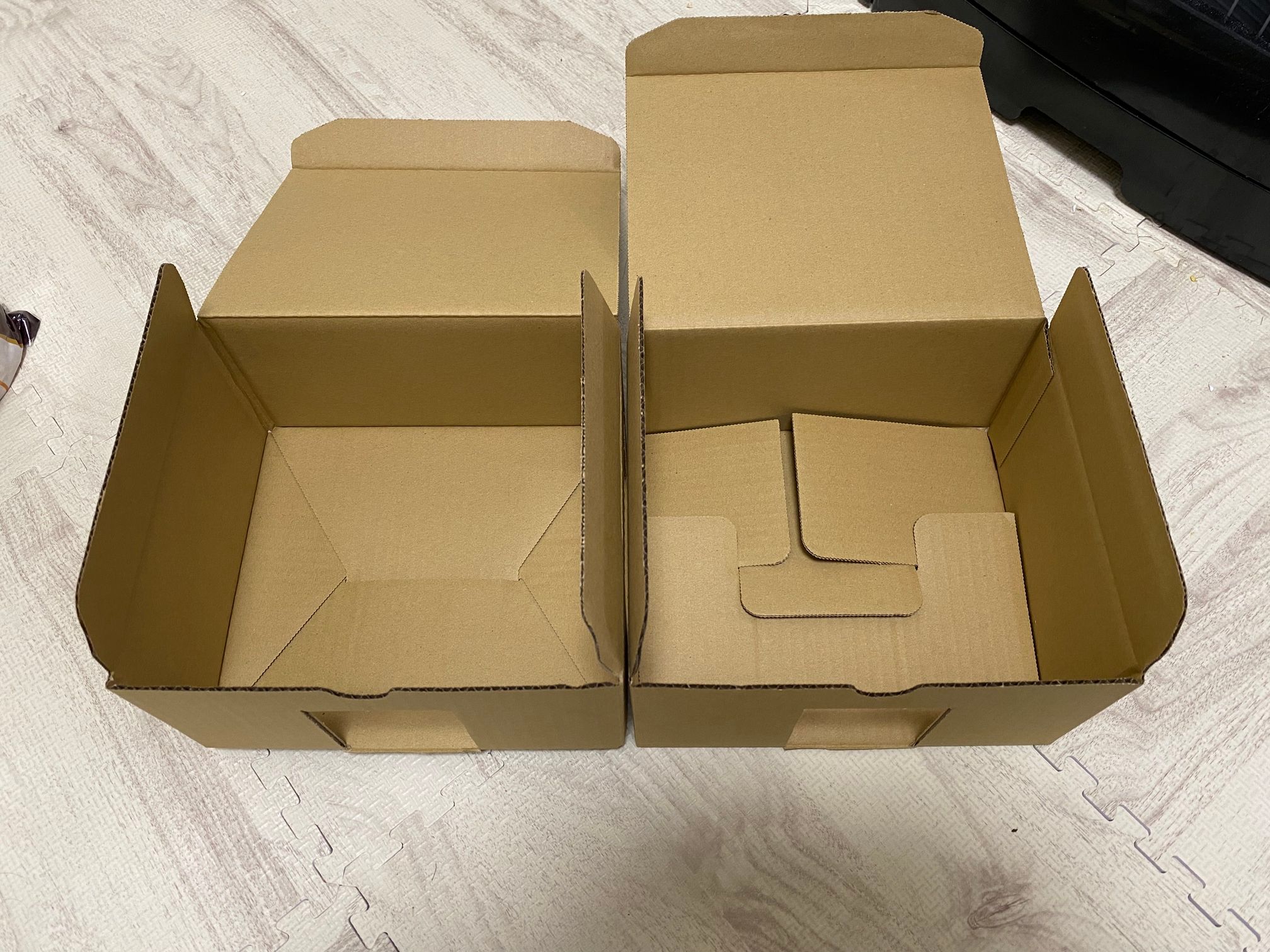
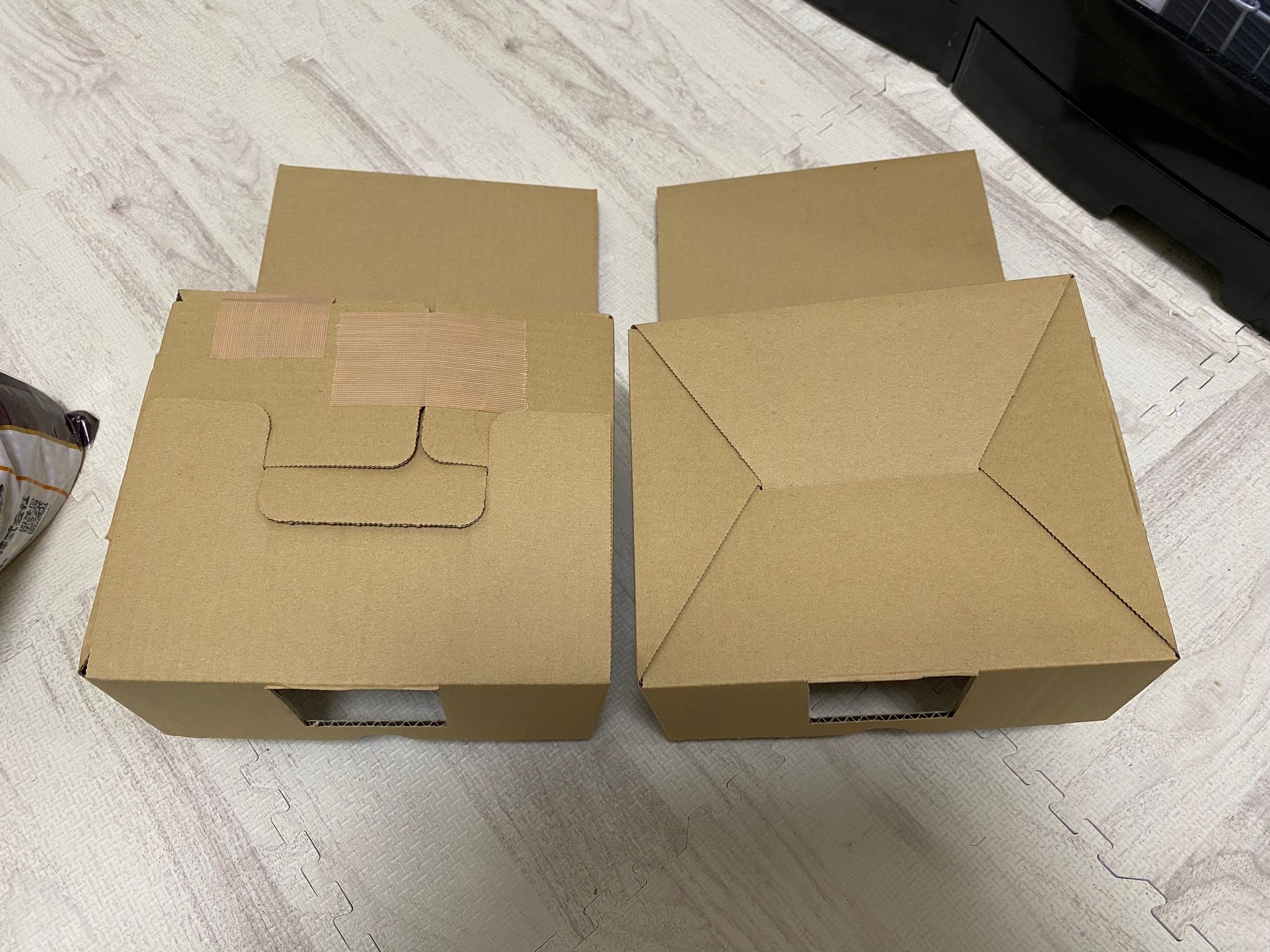
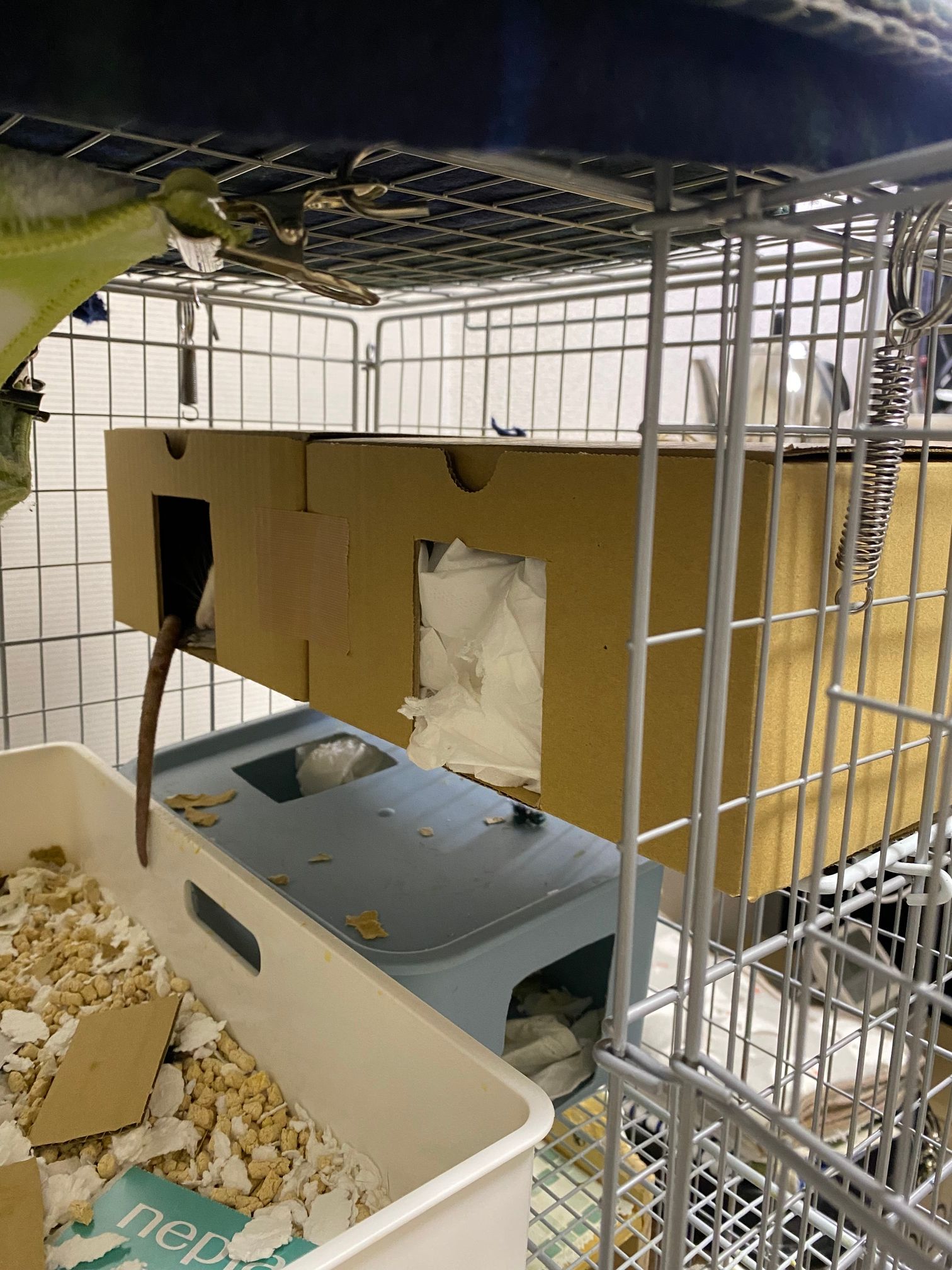
デカいハンモックが欲しいと言っていたが、段ボール隠れ家の替えを買いにセリアに行ったら、マイクロファイバー製の大きめのタオルが売っていた。サイズは50×90cmとかなり大きいが、何分100円なもので、アホみたいに薄い。
しかしマイクロファイバー製のハンカチって、壊れても糸がほつれないし、タオル地と違ってネズミの爪に糸のループが引っかかることもない。これまでもセリアの28×70cmのマイクロファイバータオルを二つ折りにして28×35cmのハンモックにしていたので、なんとかこの布でデカいハンモックをでっち上げられないかと思い、試しに買ってみた。
90cmの片を三つ折りにすると、30×50cmになる。50cmはさすがにイージーホーム80ハイの奥行43cmよりも大きいが、ここから更に50cmの辺の両端を4~5cmくらいずつ折り返して、余っていたプラバンを2×30cmにカットしたものを折り目に挟む。あとはいつもの大きい目玉クリップで折り目を上から挟めば、30×40cmくらいのハンモックができた。
裁縫なんて面倒なことはできないので、クリップで留めただけである。
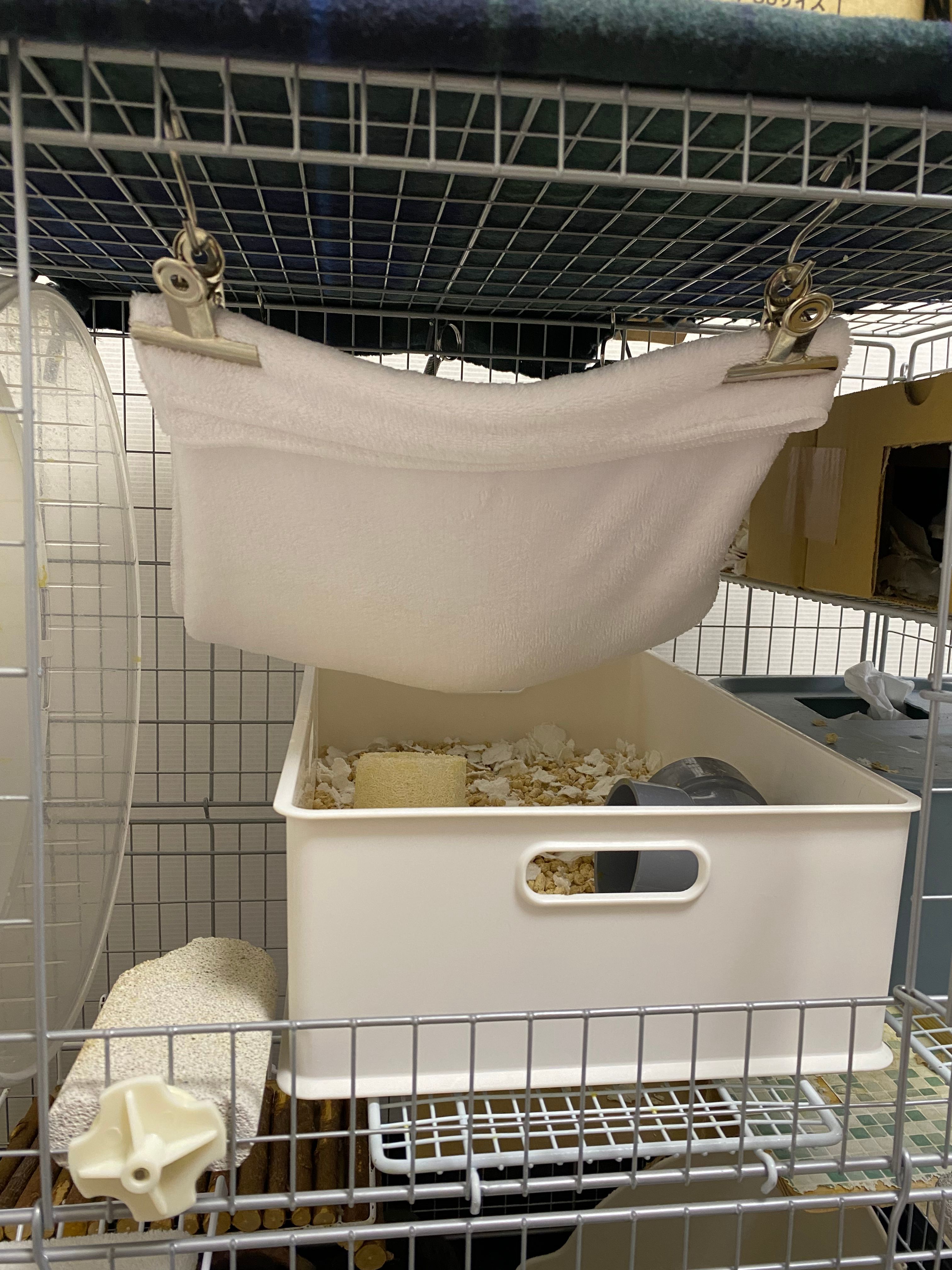
工作途中を撮るのを忘れた。比較できる写真は、このへんにあるが、なんか大して変わらないような気がしなくもない。
ついでに適当なプラスチックのカゴをホットナイフで切って下段の隠れ家にしたが、まあ、こっちはどうでもいいだろう。特に持ち手を切ったところの入り口は狭すぎるので、また時間ができたら追加で切る予定。
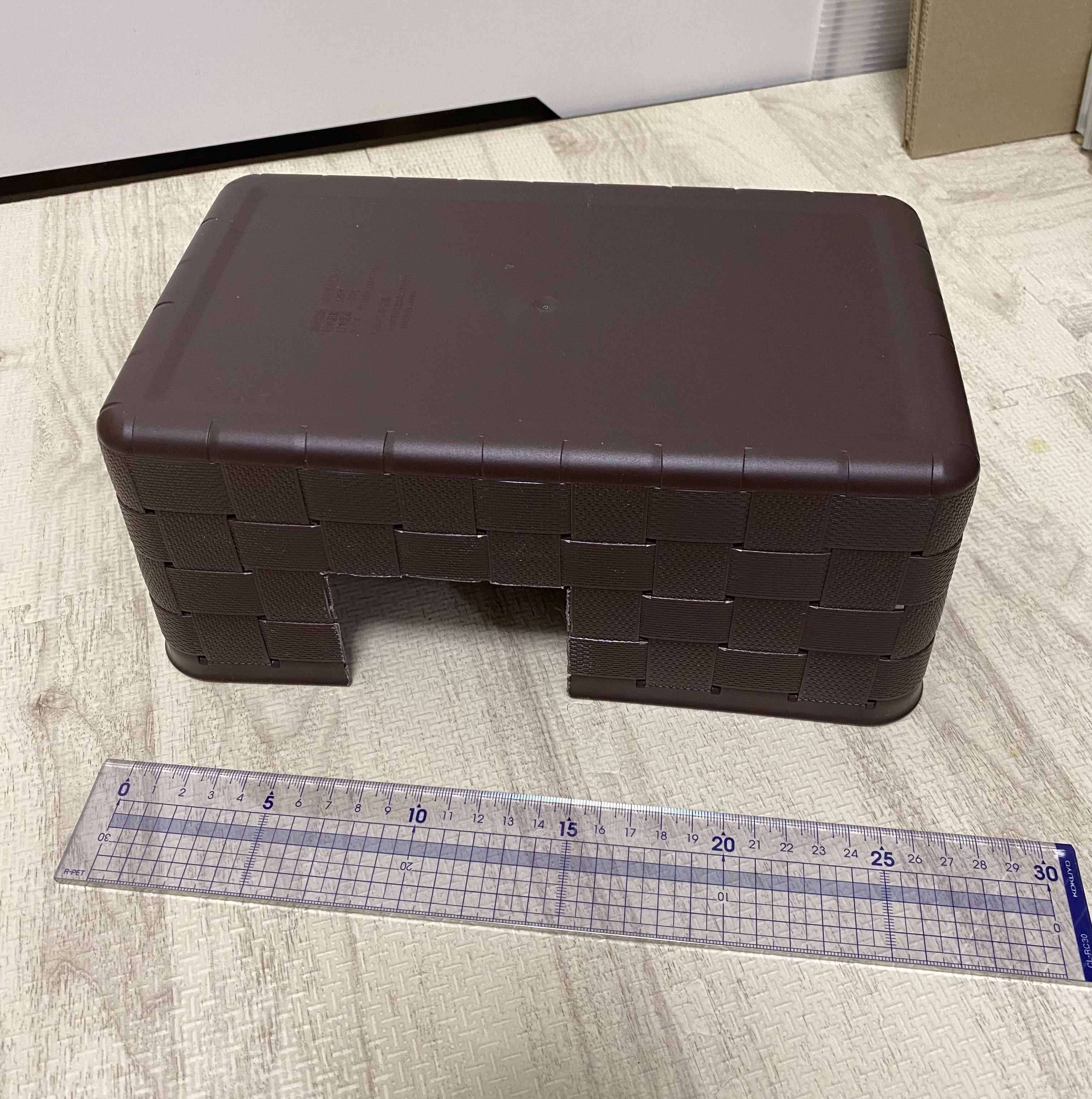
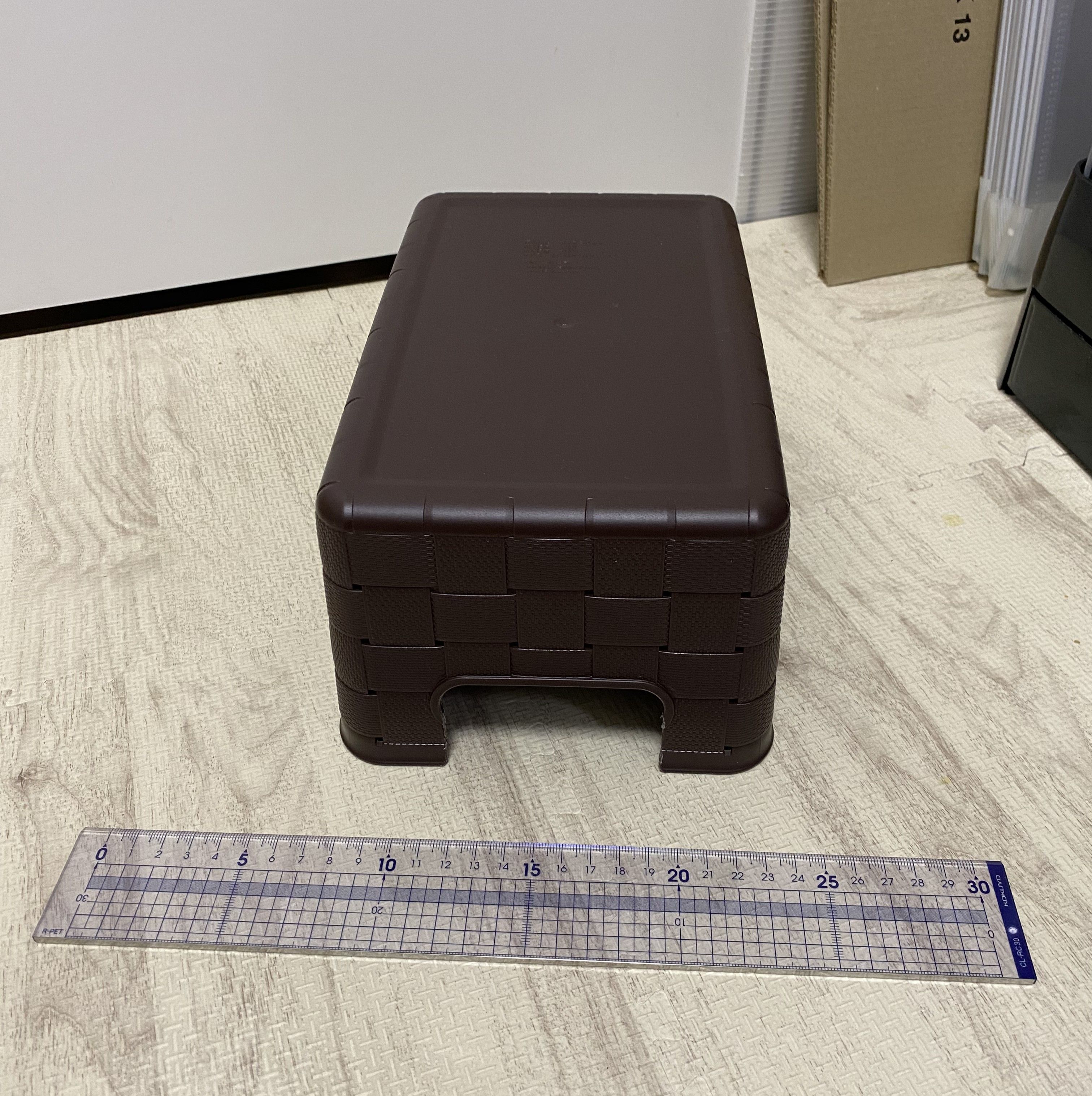
それで、新しい調度品をネズミが警戒して使わないのはいつものことだが、昨日の夜見たら4匹で新しいハンモックで寝ていた。
こんなに嬉しいことはない。
おやつ
今日はカシューナッツのかけらをあげた。
日誌が開いた日のぶんは以下。
- 2/2: お湯にくぐらせた白菜の葉
- 2/1: 乾燥ミルワーム、人間用スパゲッティの味のしない部分少々
- 1/31: パンのかけら
給餌
どうも給餌方法を変える気力が湧かなくて、最近は一週間くらいずっと、ミニ引き出しにペレットを入れて置いている。ネズミもあんまり開ける気がしないようで、いつも、いつの間にか開いていて中身が減っている。たぶん誰かが貧乏くじ的に開けているのだろう。